October 3, 2026
Bharatmala and India’s Economic Corridors: The Next Phase of Connectivity

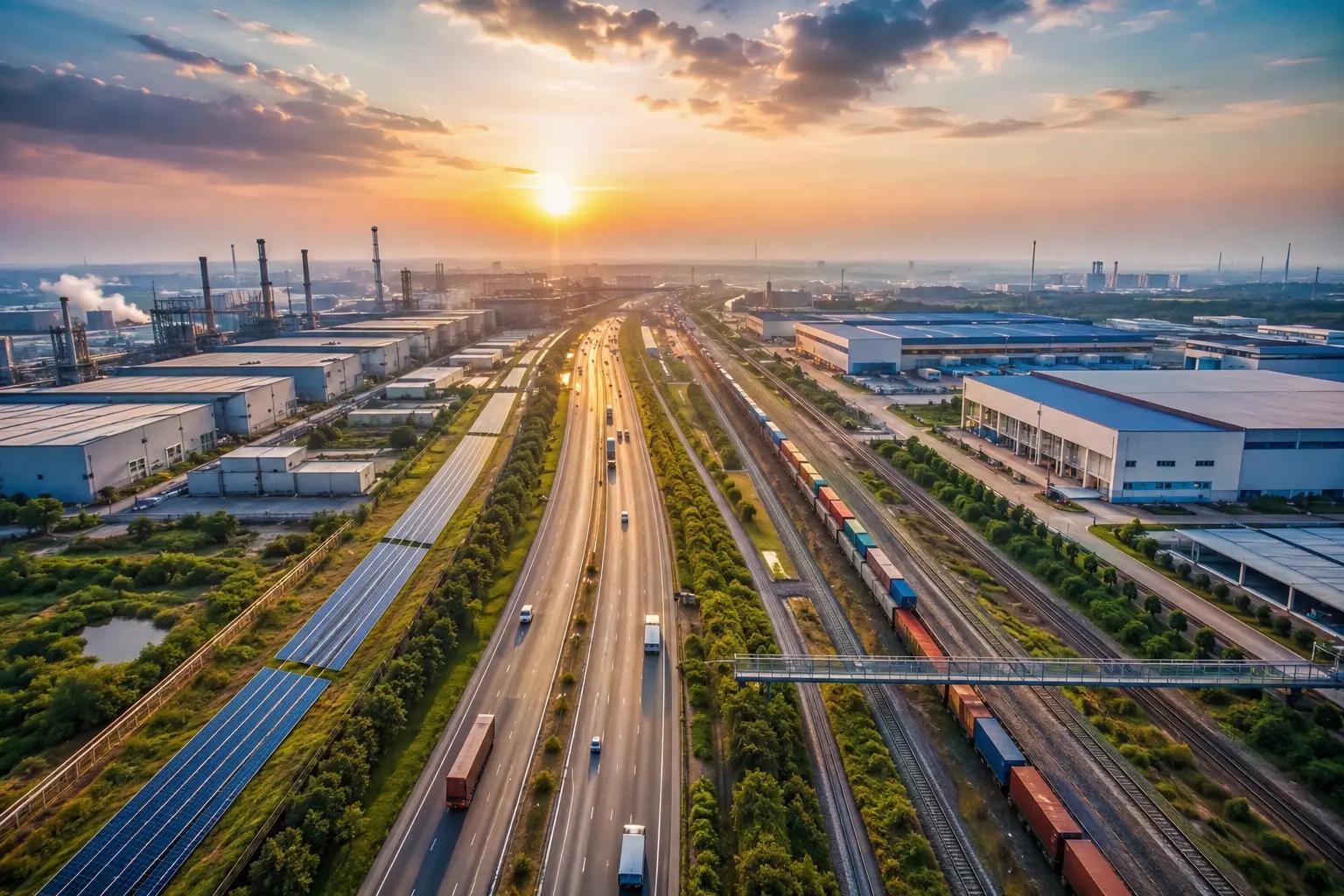
Economic corridors are more than high-capacity roads. They connect production centres, markets, cities, ports and logistics networks so that people and goods can move more reliably. Bharatmala is part of India’s broader highway development effort aimed at improving connectivity and corridor-level movement.
What Is an Economic Corridor?
An economic corridor is a network of transport infrastructure designed around economic activity. Its effectiveness depends on more than highway speed. It also requires:
Access to industrial areas
Connection to logistics hubs
Safe freight movement & local connectivity
Efficient intersections and Drainage
maintenance and Road safety
The objective is to improve the movement of people and goods between economically important locations.
Bharatmala in Perspective
Government reporting in February 2025 stated that Bharatmala Phase-I had awarded projects covering 26,425 km and constructed 19,826 km.
These figures indicate the scale of highway development involved, but corridor performance ultimately depends on how individual assets operate as part of the larger network.
The Importance of Local Connectivity
High-capacity corridors still need to interact with local communities and existing roads. Project planning should consider:
Local crossings and Service roads
Access to settlements
Agricultural movement
Pedestrian movement
Freight entry and exit
Emergency access
Poorly managed local interfaces can reduce the benefits of a major corridor.
Freight and Logistics
For freight operators, infrastructure value is closely connected to travel-time reliability, road condition, congestion, safe access, predictable routing, connection to logistics infrastructure.
A faster highway is therefore only one component of an efficient freight network.
Corridor-Level Planning
Teams should evaluate origin and destination, freight patterns, access points, local traffic,Intersections, drainage, safety and maintenance requirements.
Frequently Asked Questions - FAQs
What is an economic corridor?
A network that connects economic activity and improves the movement of people and goods.
Is Bharatmala only about expressways?
No. It covers a broader range of highway and connectivity interventions.
Why are service roads important?
Where appropriate, they can help separate local access movements from through traffic.
How do economic corridors affect logistics?
Better connectivity can improve reliability, travel time and access between production and consumption centres.
Conclusion
India’s next phase of connectivity is increasingly about how roads function as connected economic networks. Bharatmala and other corridor initiatives can create greater value when highway capacity is supported by safe local access, efficient logistics connections, reliable maintenance and coordinated infrastructure planning.
Latest Blogs